

MARGRET ASUQUO
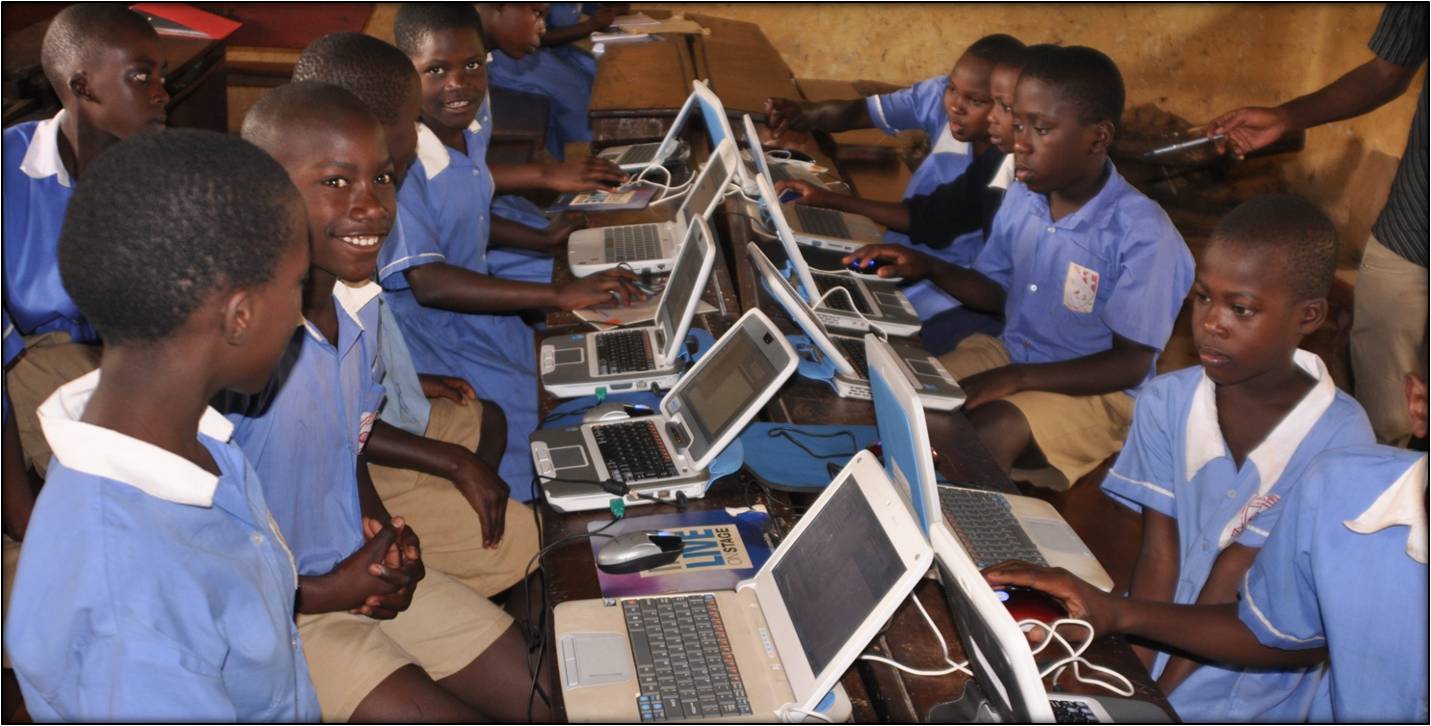
UNICEF, the United Nations agency for children, has launched a procurement initiative for internet connectivity in Africa, inviting internet service providers to deliver managed connectivity services to schools, health facilities, and other child-serving institutions across 54 countries.
The initiative aims to accelerate connectivity for up to 500,000 schools and other facilities delivering essential services to children.
The first phase will run a public Request for Expression of Interest (REoI), designed to identify and prequalify providers capable of delivering turnkey connectivity solutions — terrestrial, wireless, satellite or hybrid — at scale. A competitive Request for Proposals (RFP) is planned for Q2 2026.
For children, internet access underpins the rights to education, information, participation and protection. Yet, UNICEF explains, 2.6 billion people globally remain offline, with children in rural and low-income African communities disproportionately excluded. Without structural reform, connectivity gaps risk deepening inequalities in education, health and economic opportunity.
UNICEF says this launch marks a shift from fragmented, country-by-country connectivity procurement efforts towards a coordinated market approach. UNICEF points out that, by aggregating government demand and standardising service expectations, it is building a procurement vehicle capable of operating at continental scale, while providing suppliers with greater predictability and clearer demand signals.
Rather than issuing isolated tenders, UNICEF is working with governments to pool demand across national programmes. The model combines defined service-level standards focused on uptime and performance, data-driven monitoring to ensure accountability, and longer-term contracting pathways intended to reduce uncertainty for both governments and providers.
UNICEF will act as a procurement agent for participating governments and will work closely with financing institutions such as the World Bank, as well as partners including Smart Africa and the UN Economic Commission for Africa (UNECA), to align funding and implementation support. UNICEF brings procurement experience from other sectors, including vaccines, worth a total of US$5.2 billion each year across 162 countries. UNICEF’s established systems and market credibility also support large-scale delivery.
The current REoI does not request binding pricing or bids. Instead, it seeks information on providers’ operational capacity, geographic reach and ability to deliver managed connectivity services with accountability. Participation in this phase will determine eligibility for invitation to the competitive RFP process.
UNICEF says it welcomes providers able to operate legally in-country and deliver at scale, including solutions that ensure power continuity and incorporate child-appropriate cybersecurity and safeguarding measures.
The Request for Expression of Interest is open until 27 March 2026.